
If We Love, We Grieve
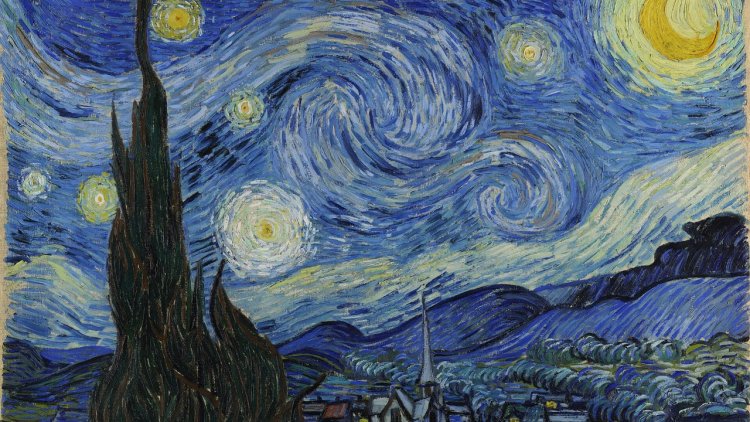
Health · Mind and relationships
It seems to me that if we love, we grieve. That is the deal. It is the pact we sign, often without knowing the full terms, the moment we allow our hearts to open. Grief and love are not opposing forces but two sides of the same coin, closely intertwined. Grief is the terrible, beautiful reminder of the depth of our love. And like love itself, grief is non-negotiable.
The risk of an open heart
To love is to be vulnerable. It is to step willingly into the crossfire, knowing that the possibility of being harmed is ever present. We offer our tenderest parts to another, trusting they will handle them with care. The poet W. B. Yeats captured this offering with heartbreaking clarity: “I have spread my dreams under your feet; tread softly because you tread on my dreams.”1 Dreams are delicate and easily crushed. By placing them under someone’s feet, the speaker hands over complete power to cherish or destroy them. To love is to lay one’s dreams beneath another’s feet, an act of deep vulnerability that asks for gentleness in return.
This is the risk we take when we commit, and within that risk lies a landscape of possible disappointment, loss, betrayal, and even a strange resentment of the very commitment that left us so exposed.
The tempting fortress
Should this cause us to shun all tenderness? To build walls and live aloof from the rest of the world, safe but solitary? It is a tempting fortress, especially for those of us who have been wounded. We may have experienced betrayal trauma, the sting of hurt from those who ought to have protected and loved us the most: family members, brothers, sisters, uncles, aunties. Such experiences can make love sound dangerous, more to be dreaded than desired. Pain is a powerful teacher, and its lesson can feel like a verdict: love is not safe.
But to retreat is to starve the soul. Trusting, loving relationships are not merely pleasant additions to life; they are a foundation of our mental wellness. Maslow placed love and belonging in the middle of his famous hierarchy of needs, a basic human requirement not to be dismissed as non-essential. We are, at our core, social creatures who heal in connection.
Consider Vincent van Gogh. He struggled deeply with his wellbeing, yet his younger brother, Theo, supported him through his darkest days. That steadfast love and belief became the bedrock from which some of humanity’s best-known works, like The Starry Night, could emerge. This is the redemptive power of connection.
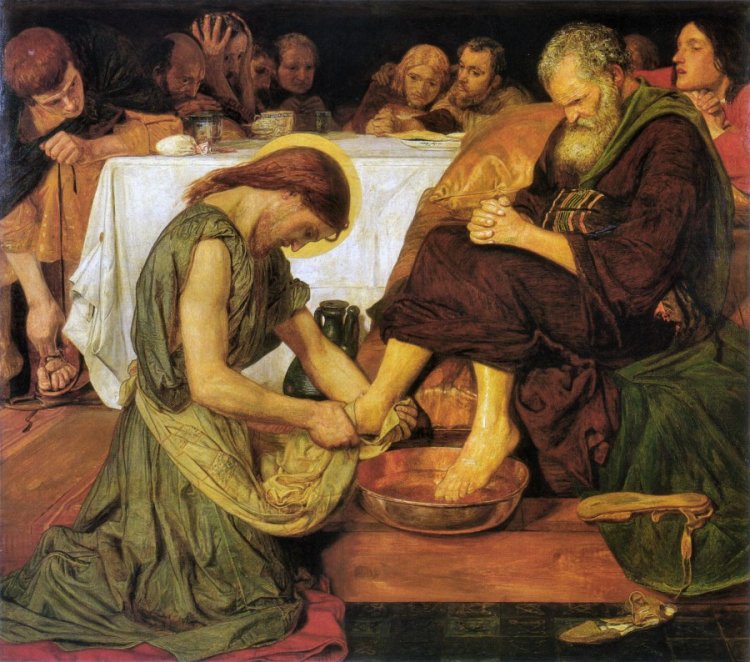
Ford Madox Brown, Jesus Washing Peter’s Feet (1852–1856). Public domain.
Love that entered the crossfire
And what of the great harm that comes from those we love most? They hold the unique power to hurt us because we have given them the keys to our hearts. Here we look to the One who was scorned and betrayed by those closest to Him. Jesus is not a distant idea of love; He is love entering the crossfire. He washed the feet of the one who would betray Him. He shared His table with the one who would deny Him. His own disciples forsook Him and fled, and still He did not stop loving them. On the cross He prayed for those who crucified Him: “Father, forgive them; for they know not what they do” (Luke 23:34).
The prophet called Him “a man of sorrows, and acquainted with grief” (Isaiah 53:3). In Jesus, love and grief are not opposites. They meet in the same heart. They meet at the cross.
This is the wellspring of all our loving. “We love him, because he first loved us” (1 John 4:19). From that divine, self-giving love, a love that is not naive about betrayal but has itself passed through grief and death, we draw the courage to love one another. Our friendships, our marriages and our family ties are reflections of a deeper, prior love that holds us even when every human hand lets go. God does not watch our suffering from a safe distance. In Christ He enters the crossfire with us, and His love becomes the source of our courage to love again.
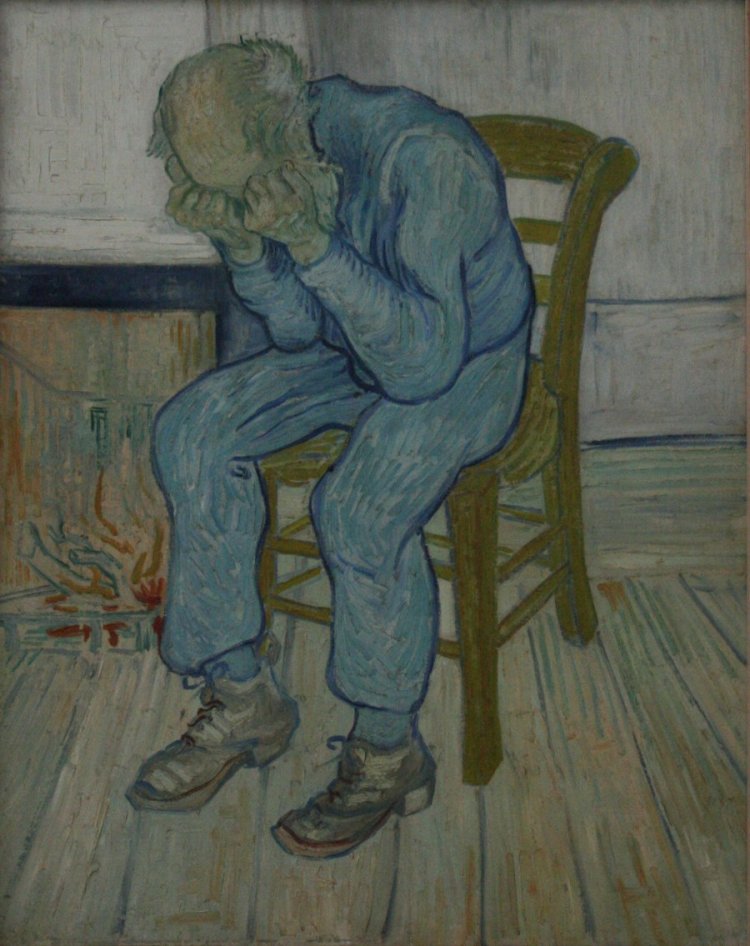
Vincent van Gogh, At Eternity’s Gate (1890). Public domain.
Where healing comes from
The fear is real, but the healing is more real still. God heals through love and relationships, and He often works through safe, caring people. A safe counselling relationship can be one of these channels. Speaking with a trained, trustworthy professional creates a space where one can be fully known and accepted, a powerful antidote to the poison of betrayal. This is a welcome help for people of faith too, not a sign of weak faith.
For many, the journey of healing is also deeply spiritual. A living relationship with God through Jesus Christ has carried countless people through unimaginable challenges. In Him we find a love that is steadfast and a promise that we are never alone in the crossfire. And when our grief is for those we have lost to death, we do not grieve as people without hope. Paul writes, “that ye sorrow not, even as others which have no hope” (1 Thessalonians 4:13).
The wisdom of faith speaks directly to our fear of vulnerability. Ellen White writes, “There are many who regard the expression of love as a weakness, and they maintain a reserve that repels others.” She warns against this error: “Love cannot long exist without expression. Let not the heart of one connected with you starve for the want of kindness and sympathy.” And she traces its cost: “The reason there are so many hardhearted men and women in our world is that true affection has been regarded as weakness and has been discouraged and repressed.”2 Tenderness is not weakness. It is the language of the God who created us for connection.
The pact
So we are left with the pact. To love is to grieve, but to grieve is to have loved. The pain of loss is the price of the ticket to the greatest adventure we can experience: the adventure of connection. It is a terrible, non-negotiable and beautiful deal. To close ourselves off is to refuse the journey altogether. To open ourselves to love, with all its risks and sorrows, is to truly live.
And so, let us love. Let us love even when love is not in fashion, even when the world tells us to guard our hearts and hide our tenderness. Let us love because we have first been loved by the One who was scorned, who was betrayed, and who did not stop loving. Let us love because a heart that refuses to express love will starve, and a world that refuses to love will grow cold. In a culture that prizes self-protection, let us choose the vulnerable, non-negotiable and beautiful risk of love.
To love is to grieve, but to grieve is to have loved.
Cover: Vincent van Gogh, The Starry Night (1889). Public domain.
Notes
- W. B. Yeats, “Aedh Wishes for the Cloths of Heaven,” in The Wind Among the Reeds (1899).
- Ellen G. White, The Adventist Home, pp. 107, 108 (AH 107, 108). egwwritings.org
Bible quotations are from the King James Version.
Take it further
Did this speak to you? Ask for more, or ask us to pray with you.
What's Your Reaction?
Comments 0
No comments yet. Be the first to share a thought.